Healing Modalities, Energy Medicine, Anatomy & Physical Disciplines for Wellbeing
Energy Medicine comprises holistic therapies focused on balancing the body’s life force or energy fields. Modalities like Reiki, Crystal Healing, and Therapeutic Touch aim to reduce stress and promote deep relaxation, activating the parasympathetic nervous system to support your natural healing abilities.
- Energy Medicine (General): An overarching term for therapies based on the belief that living beings have measurable or subtle energy fields. Disruptions in these fields are thought to cause physical or emotional distress.
- Reiki: A Japanese technique where the practitioner channels universal life energy to you. They place their hands on or just above specific energy centers (chakras), aiming to clear blockages and restore balance.
- Crystal Healing: A practice using stones and crystals placed on or around the body. Practitioners believe crystals vibrate at different frequencies to absorb, focus, or direct energy, restoring harmony to your physical and spiritual well-being.
- Crystal & Sound Therapy: The placement of specific crystals on or around the chakras, or using vibrational instruments like tuning forks, is used to amplify or redirect the body's energetic frequencies
- Therapeutic Touch (TT): Developed in the 1970s by nursing professionals, TT is a non-touch, research-backed therapy. The practitioner enters a centered state of consciousness and gently passes their hands over your energy field to detect imbalances and smooth the flow of energy.
- Acupuncture & Acupressure: By inserting tiny needles or applying pressure to specific points along the meridians, practitioners stimulate energy flow, reduce blockages, and regulate the nervous system.
- Emotional Freedom Techniques (EFT): Often called "tapping," this technique combines cognitive focus with fingertip tapping on specific meridian endpoints to relieve stress and clear blocked emotional energy.
Energy Anatomy models the human body as a complex system of subtle energy, focusing on meridians, chakras, and the auric field. These interconnected systems act as an energetic blueprint for physical, emotional, and spiritual well-being, where blockages are believed to manifest as disease or emotional distress
The Three Pillars of Energy Anatomy
- Meridians: Originating in Traditional Chinese Medicine (TCM), these are pathways or "highways" through which life-force energy (Qi or Prana) circulates. There are 12 major bilateral meridians (such as the Lung, Heart, and Liver meridians) that connect directly to your internal organs and physiological systems.
- Chakras: These are primary energy centers positioned vertically along the spinal column, acting as spinning vortices that process energy. There are seven major chakras, spanning from the Root Chakra (associated with survival and grounding) up to the Crown Chakra (associated with spiritual connection and consciousness).
-
Auric Field (Biofield): The aura is an electromagnetic field that surrounds and extends beyond the physical body. It typically consists of several graduating layers or "energy bodies" (like the etheric or emotional layers) that act as an energetic template holding the light-energy processed by your chakras.
Diagnostics: Assessing the Energy Body
Practitioners use a variety of assessment skills to determine whether your subtle energy is blocked or overactive.
Intuitive Sensing & Hand Passes: Practitioners hover their hands over the body to feel for temperature shifts, tingling, or density that indicates an energy blockage.
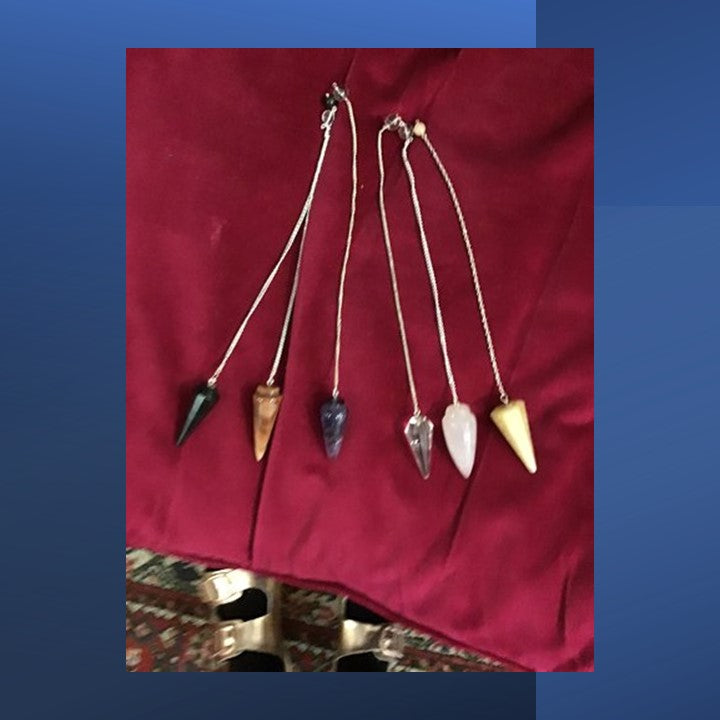
Pendulum Dowsing: Using a crystal or metal pendulum held above the chakras, practitioners observe its swing to gauge the balance and openness of specific energy centers.
Muscle Testing (Kinesiology): Used widely in systems like Touch For Health, this involves testing physical muscle responses to identify meridian imbalances.
Hara / Pulse Diagnosis: In Eastern modalities, practitioners assess the pulses on the wrists or the abdomen (Hara) to evaluate the strength of the 12 organ meridians.
Yoga
- Origin: India.
- The Practice: Involves physical postures (asanas), ethical disciplines, deep breathing, and meditation to unite the physical, mental, and spiritual components of the self.
- Wellbeing Benefits: Excellent for building core strength, flexibility, and balance. Clinical research from the National Center for Complementary and Integrative Health shows it helps with chronic low back pain, arthritis, and relieves persistent fatigue.
Tai Chi
- Origin: China.
- The Practice: Originally a martial art, Tai Chi consists of slow, graceful, continuous movements performed with deep, diaphragmatic breathing. It is often described as "moving meditation".
- Wellbeing Benefits: Widely recommended for fall prevention and improving balance in older adults. It also helps lower blood pressure, soothe arthritis pain, and improve cardiovascular health.
Qi Gong (Chi Gong)
- Origin: China.
- The Practice: The precursor to Tai Chi, Qi Gong focuses specifically on cultivating and balancing qi (life force energy) throughout the body’s meridians using gentle stretches, rhythmic breathing, and meditation.
- Wellbeing Benefits: Highly accessible to all fitness levels, Qi Gong focuses on relaxing the nervous system to soothe organs and accelerate somatic healing. It is used to improve sleep quality, manage anxiety, and ease fatigue.
Because these disciplines are low-impact, they are safe and adaptable to almost any fitness level or physical limitation.