Ceremonial Tools, Shrine, & Offering Substances
In Tibetan Buddhism, shrines act as physical focal points for awakening the mind, while ceremonial tools and offering substances serve as symbolic, meditative aids used to purify attachments and cultivate inner wisdom and compassion.

A traditional Tibetan shrine consists of a layered altar, commonly draped with silk brocade, designed to represent the Buddha's enlightened Body, Speech, and Mind:
Body: A central statue or Thangka painting of a Buddha
(e.g., Shakyamuni) or a revered deity
Speech: A sacred text or scripture.
Mind: A Stupa or a representation of the Buddha's mind.
Ceremonial Tools & Implements
(e.g., Shakyamuni) or a revered deity
Speech: A sacred text or scripture.
Mind: A Stupa or a representation of the Buddha's mind.
Ceremonial Tools & Implements
Practitioners utilize an array of sacred implements during tantric rituals and meditation to connect with enlightened qualities:
Vajra & Bell (Dorje & Drilbu): The most fundamental pair of tools. The Vajra (held in the right hand) represents method and compassion (masculine), while the bell (held in the left hand) symbolizes wisdom (feminine).
Damaru: A small, two-sided hand drum used in Chöd practices and rituals to mark the rhythm of chants and invoke deities.
Phurba (Kīla): A three-sided ritual dagger used to destroy obstacles, bind demons, and consecrate sacred spaces.
Mandalas: Physical offering plates (often stacked with rings) used to offer the entire universe to the enlightened ones, symbolizing the antidote to miserliness.
Bhumpa: An ornate, ritual vase or holy water vessel used to purify and dispense blessings during ceremonies.
Offering Substances: Offerings are traditionally set out to train the mind in generosity and release attachment to material wealth.The Seven Bowls (Ting): Placed in a horizontal row on the altar, these bowls represent traditional offerings of hospitality:
Water for drinking
Water for bathing or washing feet
Flowers (symbolizing beauty)
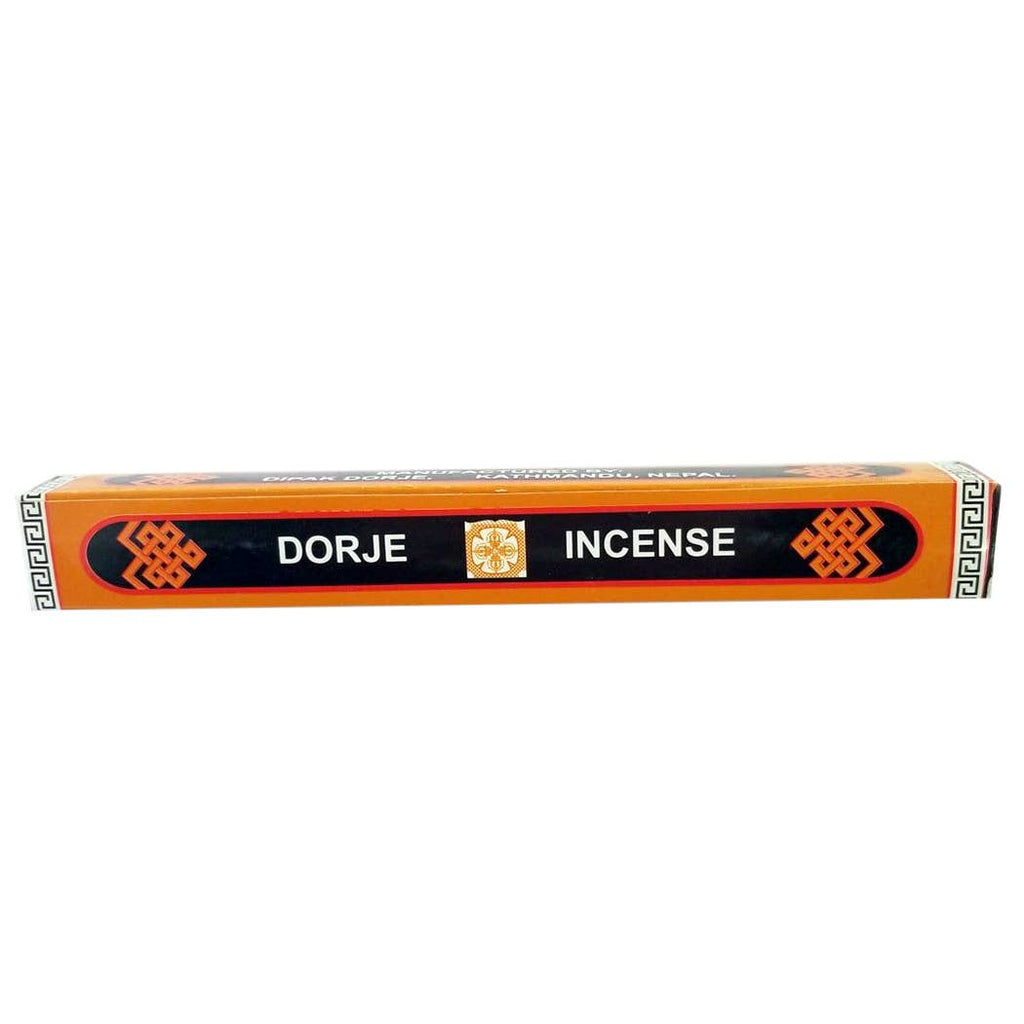
Incense (symbolizing morality)
Light: Butter Lamps (symbolizing wisdom)Perfume (symbolizing patience and devotion)
Food (symbolizing samadhi)
Sometimes an 8th bowl is added:
Music : sound
Butter Lamps: Continuously lit containers of melted yak butter (or vegetable oil) or a TEa light placed on the shrine, symbolizing the burning away of ignorance and the offering of light.
Torma: Sculpted ritual offerings traditionally made from roasted barley flour (tsampa), yak butter, and decorative motifs. They serve as receptacles for divine presence or symbolic offerings.
Serkyem: A specialized vessel often used in protective rituals to offer golden or black tea to Dharma protectors and deities.